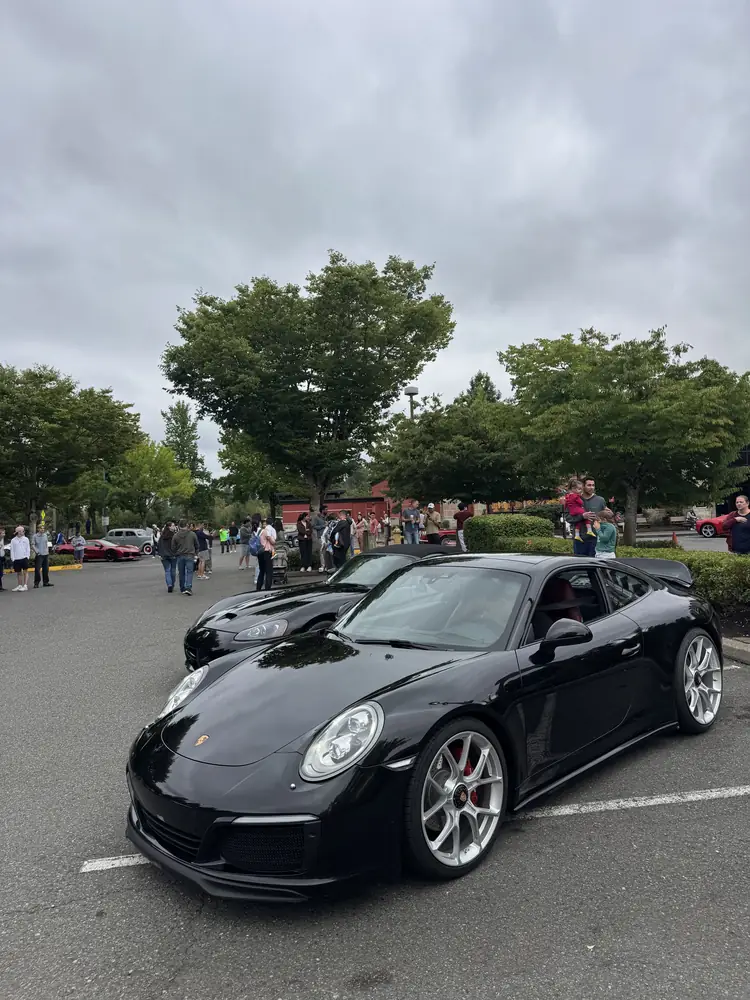
Your first HPDE is not about the car — a stock 991.2 is already faster than you are. It's about showing up with the right five things so tech inspection waves you through and the day is about driving, not scrambling.
As an Amazon Associate I earn from qualifying purchases. Links below may earn crankfyi a commission — it keeps the lights on.
The short answer
You need a Snell SA2020 helmet (most orgs won't accept motorcycle helmets), a tire pressure gauge you'll use every session, blue painter's tape for numbers and lights, a portable compressor, and a chair for the paddock. The car needs fresh brake fluid, pads with life left, and torqued lugs — that's the tech inspection in one sentence.
How we picked
We screened the best-selling track-day gear on Amazon and kept the five with exact US listings we could verify — helmet certification, gauge accuracy spec, the works. The filter was first-timer reality: HPDE-legal, paddock-proven, and nothing that requires a race license to justify. Researched to the same standard as everything here.
Quick comparison
| Pick | Product | Price | |
|---|---|---|---|
| Most important | RaceQuip PRO20 SA2020 helmet Top pick | — | Check price |
| Best gauge | JACO ElitePro digital tire gauge, 100 PSI | — | Check price |
| Best tape | ScotchBlue 2090 2", 6-pack | — | Check price |
| Best compressor | VIAIR 85P portable compressor | — | Check price |
| Best paddock chair | Coleman Broadband Mesh Quad chair | — | Check price |
Most important: RaceQuip PRO20 SA2020 helmet Top pick
RaceQuip · PRO20 · Snell SA2020 rated · full-face · FRP composite shell · sizes XXS–3XL (this listing: gloss white, large).
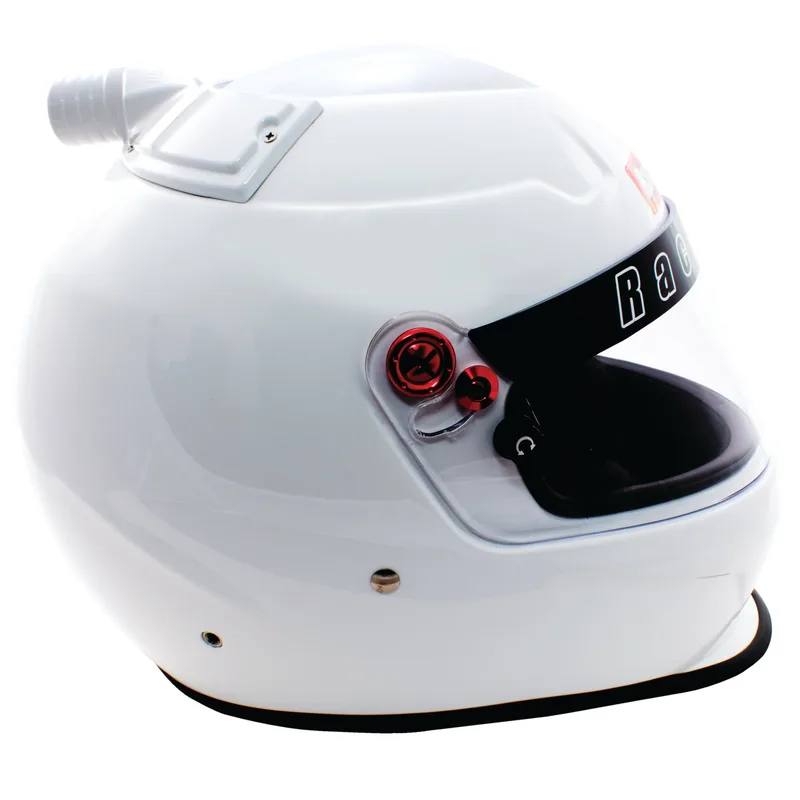
Best for: your first HPDE — legal at virtually every org, priced for beginners. Skip if: your org already requires SA2025 (check the rulebook — most still accept SA2020).
★ Snell SA2020 — the actual certification HPDE tech inspectors look for
- SA2020 is the key detail: most HPDE organizations require a Snell SA-rated (not M/motorcycle) helmet, and SA2020 is the current widely-accepted standard. A motorcycle helmet fails tech.
- Full-face with a real shield — open-face helmets are legal at some orgs but full-face is the smarter first buy.
- RaceQuip is the grassroots standard: proper fit, HANS-compatible posts, and a price that doesn't punish beginners.
Worth knowing: helmet certifications expire on a rolling basis — SA2020 is generally good through ~2030 at most orgs, but confirm your specific organizer's rulebook before buying. And try the size: a helmet should be snug enough that the skin on your forehead moves with it.
Best gauge: JACO ElitePro digital tire gauge, 100 PSI
JACO · ElitePro · digital · 0–100 PSI · ASME B40.7 Grade 2A accuracy (±1%) · bleeder valve.
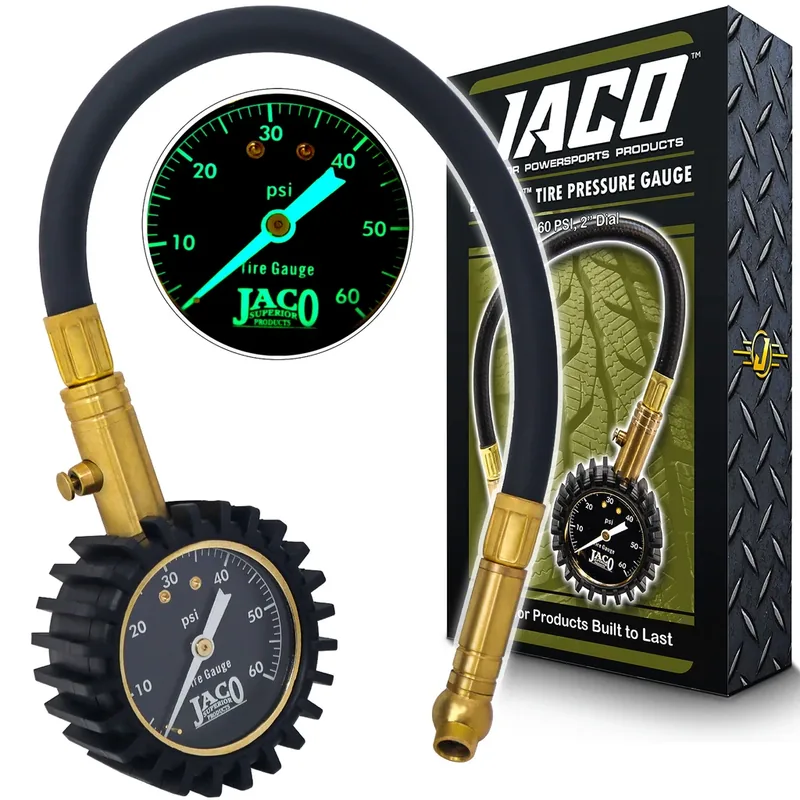
Best for: the thing you'll touch more than anything else at the track — pressures every session. Skip if: you already own an accurate gauge; the pencil-type in your glovebox is not accurate.
★ ASME Grade 2A (±1%) — a real accuracy spec, not marketing
- Tire pressures are the single biggest setup variable on a track day — you'll check hot pressures after every session and bleed down to your target.
- The bleeder valve lets you release air in controlled bursts while the gauge stays on the valve — no more guess-bleed-recheck cycles.
- ±1% accuracy means your 34 psi is actually 34 psi, which matters when you're chasing 2-psi deltas.
Worth knowing: it's digital, so it needs a battery — carry a spare CR2032 in the glovebox. And check pressures hot, right off track; cold readings the next morning tell you nothing about session setup.
Best tape: ScotchBlue 2090 2", 6-pack
ScotchBlue · Original 2090 · 2" wide · 6-pack · removes cleanly for up to 14 days.
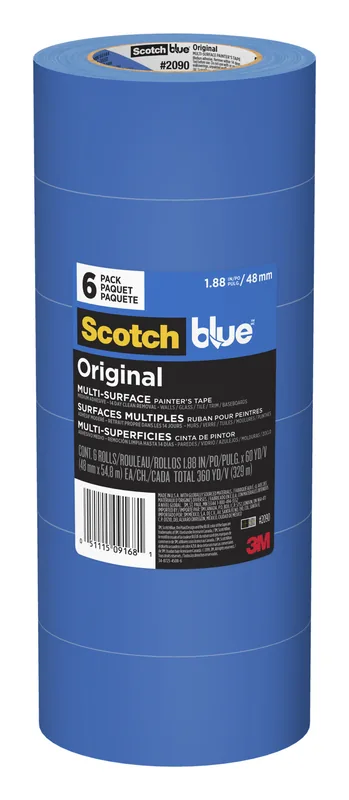
Best for: numbers, headlight/taillight taping, and protecting the front from cone rash. Skip if: — there's no skip; every paddock runs on blue tape.
★ #26 in Masking Tape on Amazon · 4.8/5 from ~2,800 ratings
- Your run-group number goes on the car in tape — it's the paddock's universal language, and 2" is the readable width.
- Taping headlights and the front clip is cheap insurance against rock chips and cone scuffs at speed.
- 2090 removes cleanly — the whole point versus hardware-store tape that bakes onto clearcoat.
Worth knowing: remove it the same day. "Removes cleanly for 14 days" assumes shade; baked-on tape in direct sun is a detailing problem. Peel it in the paddock before you drive home.
Best compressor: VIAIR 85P portable compressor
VIAIR · 85P · 12V (cigarette-lighter plug) · up to 60 PSI · LED work light · twist chuck.
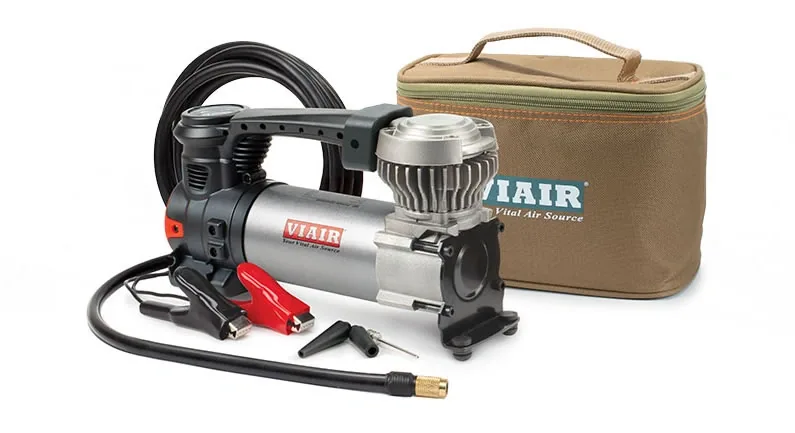
Best for: airing back up after bleeding pressures down all day. Skip if: your paddock has air — most don't, which is why this is on the list.
★ The paddock-standard portable compressor — 12V, no tank, no drama
- You'll bleed 4–8 psi per session as tires heat up; at day's end you need those psi back for the drive home — the 85P plugs into the 12V socket and does it.
- 60 PSI max is plenty for car tires, and the LED light matters when you're airing up at dusk after the last session.
- Small enough to live in the frunk permanently — it earns the space.
Worth knowing: it's slow by design — a few minutes per tire. It's a top-up tool, not a "fill four flat tires" tool. Let it cool between tires on a hot day.
Best paddock chair: Coleman Broadband Mesh Quad chair
Coleman · Broadband Mesh Quad · folding camp chair · mesh back · cup holder.
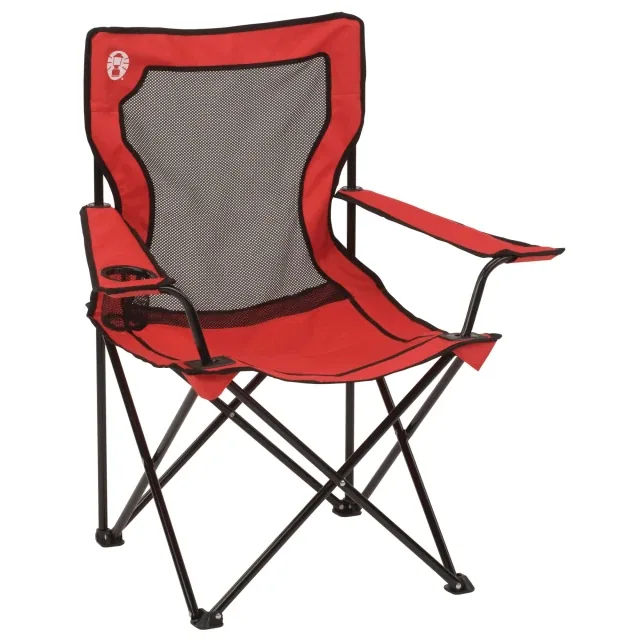
Best for: the hours between sessions — you'll spend more time in the paddock than on track. Skip if: frunk space is sacred; it's the bulkiest item here.
★ #28 in Camping Chairs on Amazon — the paddock is full of these for a reason
- A track day is 20 minutes of driving per hour and 40 minutes of waiting, debriefing, and watching — a real chair beats a tire stack.
- The mesh back breathes in summer heat; the cup holder holds the water bottle you should be drinking between sessions.
- Folds flat enough to ride behind the seats — the 911's frunk stays free for the helmet and tools.
Worth knowing: it's a luxury, not a requirement — but it's the cheapest comfort upgrade on this page, and tired drivers make mistakes.
Also considered
- HANS device — the right safety upgrade for your second season, overkill for a first HPDE in a stock car with stock belts.
- Track-specific brake pads — your stock pads are fine for a first day at 7/10ths; upgrade pads after you've learned what fade feels like, not before.
- GoPro / lap timer — fun, but your first day should be about instruction and feel, not footage. Borrow one if you must.
- Torque wrench for lug checks — bring one if you own it (118 ft-lb on the 991.2), but most paddocks have a communal one going around.
The verdict
A stock 991.2 on street tires with fresh brake fluid is the ideal first track day car — the car is not the limiting factor, you are, and that's exactly how it should be. The helmet is the only non-negotiable purchase; everything else makes the day smoother. Show up with these five, pass tech, and spend the day learning what the car has been capable of all along.
Get the RaceQuip PRO20top pick · SA2020 ratedFAQ
Do I need a special helmet, or will my motorcycle helmet work?
Most HPDE organizations require a Snell SA-rated helmet — motorcycle (M-rated) helmets fail tech because the testing standard is different. SA2020 is the current widely-accepted rating. Check your organizer's rulebook; some now ask for SA2020 minimum.
What tire pressures should I run?
Start at the factory cold pressures, then check hot immediately after each session — you're typically targeting low-to-mid 30s hot on street tires. Bleed down to your target as they heat up. The gauge above is how you do this without guessing.
Will a track day void my warranty?
Read your warranty terms — HPDE (non-competitive driver education) is generally treated differently from racing or timed competition, but manufacturers' policies vary and change. Don't assume; check the fine print for your specific coverage.
Do I need track insurance?
Your regular policy almost certainly excludes track use. Dedicated HPDE insurance exists and costs a fraction of a 911 repair — for a first-timer in a $60k+ car, it's worth pricing out before the event.
What does tech inspection actually check?
Brake fluid age and level, pad thickness, no fluid leaks, wheel torque, secure battery, working brake lights, and no loose items in the car. It's a safety check, not a performance judgment — a well-maintained stock car passes easily.
Should I upgrade anything before my first day?
Fresh brake fluid (it's hygroscopic — old fluid boils) and pads with more than half their life. That's it. Drive the first day stock, learn the line, and let the car tell you what it needs next.
Thinking about mods after the bug bites? 5 reversible 991.2 upgrades → · Brakes before the next one: 911 brake pads DIY →
As an Amazon Associate I earn from qualifying purchases. crankfyi is reader-supported — when you buy through links on our site, we may earn an affiliate commission. Prices as listed on Amazon at the time of writing.